Pelargonium Auguste Miellez: A Timeless Embroidery Design for Small Business Branding
First Impressions: Classic Elegance Meets Versatile Design
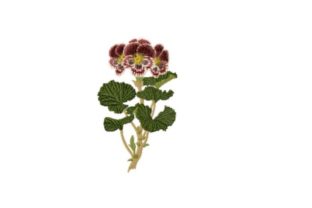
As an experienced embroidery designer, the first thing that stands out about Pelargonium Auguste Miellez is its elegant, classic appeal. The design draws from public domain art by Louis van Houtte, dating back to 1853, which gives it a refined, historical charm. This machine embroidery design is ideal for small businesses looking to elevate their merchandise with a touch of sophistication.
Its floral motif feels both decorative and professional, making it suitable for a variety of branding applications—from boutique merchandise to embroidered patches and custom apparel. Whether you're running a florist shop, a local café, or a handmade brand on Etsy, this design can serve as a subtle yet memorable brand accent.
Real-World Business Applications: From Patches to Product Packaging
When evaluating Pelargonium Auguste Miellez for commercial embroidery use, it's important to consider how it translates across different materials and branding applications. Here's how it performs in real business settings:
- Embroidered patches: The design’s intricate details hold up well when digitized for patches. It adds a premium feel to merchandise like tote bags, aprons, and jackets.
- Staff uniforms: As a chest logo accent or sleeve detail, it lends a professional and elegant look—especially for hospitality or artisanal businesses.
- Cap embroidery: The design works best when scaled appropriately for curved surfaces like cap fronts. A mockup is highly recommended to ensure clarity and proportion.
- Tote bag design: Used as a small embroidered mark, it enhances the visual identity of reusable bags, perfect for boutique shops or event merch.
- Apron embroidery: Whether on chef aprons or craft studio wear, the design adds a touch of class without overpowering the garment.
- Product packaging accents: For handmade brands, embroidering this design onto small fabric tags or pouches adds a personalized, premium touch.
This digital embroidery file is especially useful for small business merch creators who need versatile design assets that align with both modern and traditional aesthetics.
Where to Use with Care: Size, Fabric, and Detail Considerations
While Pelargonium Auguste Miellez is a strong contender for many embroidery applications, there are a few key areas where caution is advised:
- Small patch sizes: Due to the design’s fine outlines, it may lose clarity when scaled too small. Always test at the intended size before full production.
- Cap fronts and curved surfaces: These require careful digitizing and mockups to ensure the design maintains its shape and detail.
- Textured or dark fabrics: Thread color contrast and stitch density need extra attention to ensure visibility and definition.
- Frequent washing: If used on uniforms or aprons, ensure the design is tested on durable fabric with appropriate stabilizer to prevent fraying or distortion.
These considerations are especially important when using the design for commercial embroidery projects where consistency and durability are essential.
Brand Identity and Visual Consistency: Elevating Your Business Image
One of the most important aspects of using a design like Pelargonium Auguste Miellez is how it contributes to your brand identity. In today’s market, small businesses are increasingly expected to present a polished, cohesive image across all customer touchpoints.
This embroidery file supports that goal by offering a timeless aesthetic that enhances product value and customer trust. Whether it’s stitched onto a tote bag, a staff uniform, or a product tag, the design communicates professionalism and attention to detail.
For Etsy sellers and handmade brands, incorporating such a design into your merch can elevate your presentation from “crafty” to “curated,” which is crucial for attracting repeat buyers and building brand recognition.
Practical Embroidery Designer Notes: Pre-Production Checklist
Before putting Pelargonium Auguste Miellez into production, here are a few practical tips to ensure the best results:
- Test in black and white first: This helps evaluate contrast and clarity before committing to thread color choices.
- Check small patch size compatibility: Run a sample on a test hoop to confirm details remain visible.
- Review thread color contrast: Especially important for dark or textured fabrics.
- Inspect spacing and stitch density: Avoid overcrowding, particularly on delicate fabrics.
- Confirm hoop size: Make sure the design fits within your machine’s capabilities.
- Test on real fabric: Always stitch a sample on the intended material to assess performance.
- Use proper stabilizer: This ensures clean stitching and prevents puckering, especially on stretchy or thin fabrics.
- Create a printable mockup: Share with clients or team members for approval before stitching.
- Compare with other design assets: Ensure it aligns visually with your existing brand elements.
- Confirm commercial licensing: Since this design is based on public domain art by Louis van Houtte, c. 1853, it's ideal for commercial use, but always verify the specific license terms of the embroidery file you purchase.
These steps are especially critical for small business owners and embroidery shops who need to ensure each finished product meets both aesthetic and functional standards.
Final Thoughts: A Valuable Addition to Your Embroidery Design Library
Pelargonium Auguste Miellez is more than just a floral embroidery file—it’s a versatile, elegant design asset that can elevate your small business branding. Whether used for embroidered patches, custom apparel, or boutique merchandise, it offers a classic visual language that resonates with customers and reinforces brand professionalism.
For embroidery shops, Etsy sellers, and apparel decorators, this machine embroidery design is a smart investment. It bridges the gap between decorative art and commercial utility, making it a valuable tool for any creative business looking to make a lasting impression through stitched branding.