Coordinated Flower Design Review for Small Business Branding
First Impressions: A Balanced Blend of Elegance and Versatility
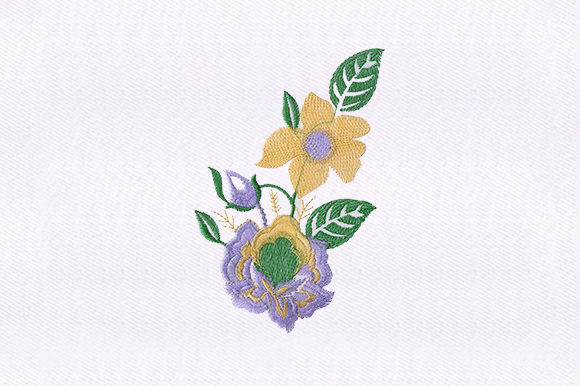
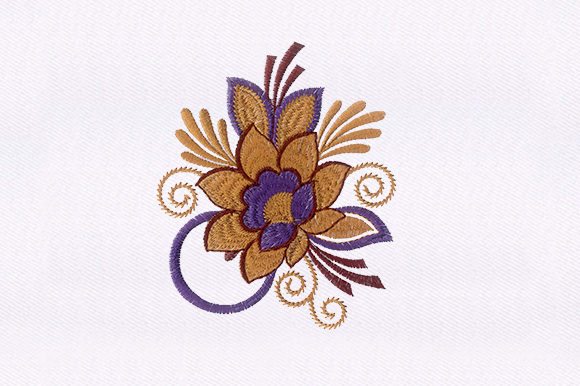
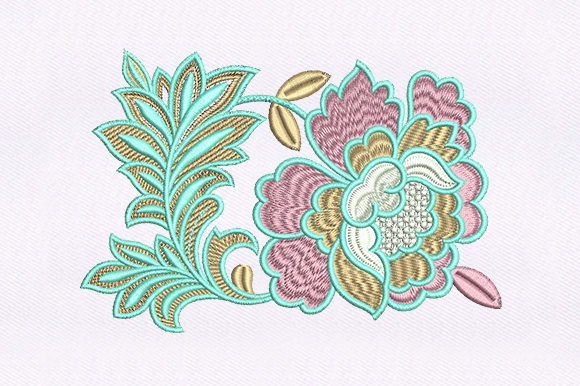
The Coordinated Flower Design immediately strikes a balance between elegance and simplicity. Its title suggests a design that is intentionally composed, likely with symmetrical elements or repeating motifs that lend themselves well to branding. As an embroidery designer, I appreciate the subtle sophistication this implies—perfect for small businesses aiming to project professionalism with a touch of warmth. The design’s likely floral arrangement hints at a timeless aesthetic that could appeal to cafes, boutiques, florists, and lifestyle brands seeking a visual signature that’s both classic and modern.
Business Use Potential: From Uniforms to Merchandise
This machine embroidery design shows strong potential for a variety of business applications. For small businesses looking to elevate their branded merchandise, the Coordinated Flower Design could serve as a refined chest accent on staff uniforms, a subtle logo patch for aprons, or a stylish detail on caps. The floral motif makes it especially fitting for creative studios, bakeries, and pet brands that want to convey a sense of care and craftsmanship.
On tote bags and boutique merchandise, this design can act as a tasteful brand marker that doesn’t overpower the product. It also holds promise for use on product packaging accents or customer gifts, where a touch of embroidery adds perceived value without being overly flashy. Etsy sellers and handmade brands will find this design particularly useful for creating a consistent visual identity across their product lines.
For event merch or seasonal promotions, the Coordinated Flower Design can be easily adapted in different thread colors to match specific themes or palettes. When paired with printable mockups, it becomes a powerful design asset for client presentations or online product displays.
Caution Areas: Fabric, Size, and Detail Considerations
While the design appears versatile, there are a few practical considerations to keep in mind. Due to its floral nature, the design may feature intricate outlines or detailed stitch work that could be compromised when embroidered at very small sizes. This is especially important for cap fronts or袖口 (cuff) placements where space is limited.
High stitch density might be a concern on textured fabrics or dark uniforms where the design could lose clarity. If the embroidery file contains fine elements or tiny lettering (though not explicitly stated in the description), these may not translate well on curved surfaces or stretchy materials. It’s essential to test the design on real fabric samples before large-scale production.
Thread color contrast and spacing should be carefully reviewed to ensure legibility and visual balance. Using the correct stabilizer and hoop size will be key to maintaining the design’s integrity across different fabric types, especially when working with commercial embroidery machines.
Brand Identity Impact: Elevating Visual Consistency and Customer Trust
When used strategically, the Coordinated Flower Design can significantly enhance a brand’s visual identity. Embroidery adds a tactile quality that digital printing often lacks, reinforcing a sense of authenticity and care—especially important for handmade products and local businesses. Whether stitched onto aprons, tote bags, or staff uniforms, this design contributes to a cohesive brand presence that builds customer recognition and trust.
For small business owners, visual consistency is crucial. The Coordinated Flower Design, with its likely symmetrical layout and classic floral appeal, offers a versatile branding solution that can be used across multiple touchpoints—from product tags to embroidered patches on packaging. This kind of design helps create a memorable impression that aligns with both modern and traditional aesthetics.
Practical Designer Notes: Pre-Production Checks and Mockup Use
Before implementing the Coordinated Flower Design in a commercial project, it’s wise to follow a few key steps. Begin by testing the embroidery file in black and white to evaluate contrast and clarity. This helps identify any areas that may need adjustment before committing to color threads.
Always check how the design performs at the intended patch size. If it's going on a cap or a small label, make sure the details remain sharp and readable. Review thread color options carefully—especially if the design will be used on dark or textured fabrics. Confirm that spacing between elements is appropriate to avoid crowding or distortion.
Verify hoop size compatibility with your embroidery machine and ensure you’re using the right stabilizer for the fabric type. Creating a printable mockup of the finished product is an excellent way to present the design to clients or stakeholders before production begins.
Finally, compare the Coordinated Flower Design with your other design assets to ensure it aligns with your brand’s visual language. And don’t forget to confirm the licensing terms for commercial use—especially if you’re a digital embroidery file buyer planning to incorporate it into multiple products.
Final Thoughts: A Thoughtful Design for Brand-Forward Businesses
The Coordinated Flower Design stands out as a thoughtful option for small businesses aiming to elevate their merchandise and apparel with embroidery. Whether used as a standalone patch or integrated into a larger branding strategy, this machine embroidery design offers a refined aesthetic that supports both visual identity and customer engagement.
From boutique merchandise to custom apparel and embroidered product labels, it delivers a level of sophistication that aligns with both modern and traditional brand sensibilities. With careful planning and fabric testing, it has the potential to become a go-to design element for creative entrepreneurs, Etsy sellers, and local business owners who understand the power of well-executed embroidery in building brand value.