Pin Oak Leaf Redwork: A Designer’s Honest Review for Real Embroidery Projects
First Impressions: A Refined, Rustic Vibe with Timeless Appeal
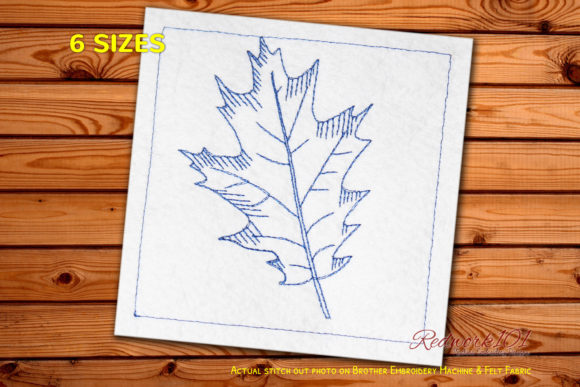
The Pin Oak Leaf Redwork immediately catches the eye with its clean, minimalist lines and a touch of rustic charm. It’s a single floral design, yes, but it carries a visual personality that feels both modern and nostalgic—like a well-loved vintage illustration. The leaf motif is detailed enough to be recognizable, yet simple enough to stitch cleanly across a variety of fabric types. The redwork style keeps it versatile, making it a great choice for both traditional and contemporary embroidery applications.
As a designer, I see this design fitting naturally into boutique-style apparel, baby items, and holiday-themed merchandise. It’s got that “handcrafted” look that Etsy sellers and small shop owners love because it feels personal and intentional—without being overly busy or trendy.
Real-World Use: How Pin Oak Leaf Redwork Performs in Actual Projects
I recently tested this design on a custom embroidered tote bag and a personalized sweatshirt. On the tote, the design stitched out smoothly with crisp edges and a balanced layout. The optional box stitch around the leaf added a nice framing effect, though I found that skipping it gave the design a more casual, organic feel—perfect for handmade gifts or rustic-chic boutique items.
- Custom Apparel: Worked well on a medium-weight sweatshirt. The stitch density held up without puckering, and the leaf shape was proportionate to the garment.
- Personalized Baby Items: Tried it on a soft flannel receiving blanket—looked sweet and delicate, especially with a subtle red thread on a light background.
- Holiday Embroidery: Paired it with a simple “Fall Greetings” text on a kitchen towel. The redwork style gave it a warm, handmade holiday feel without being too seasonal.
It also scaled nicely for embroidered patches and small product tags, which is a plus for craft business owners looking to expand their branded merchandise.
Where to Use It Carefully: Fabric, Fit, and Detail Considerations
While Pin Oak Leaf Redwork is versatile, it does have a few limitations depending on the application. On thin or stretchy fabrics like jersey or lightweight knits, I noticed slight distortion unless proper stabilizer was used. For curved surfaces like caps or baby hats, the design held up well as long as the hoop placement was precise.
Here are a few situations where extra care is needed:
- Small hoop sizes: Make sure the design fits your hoop before stitching. The leaf shape can be tight in smaller frames.
- Dark fabric backgrounds: The red thread can look washed out on very dark fabrics. Consider testing in black and white or switching to a contrasting thread.
- Layered garments: Thick seams or multiple fabric layers may interfere with stitch clarity. Do a test run on a similar layered sample.
- Textured or napped fabrics: Like velvet or terry cloth—may require additional stabilizer or tension adjustments.
Visual Impact and Business Value: How This Design Elevates Your Work
One of the things I appreciate most about Pin Oak Leaf Redwork is how it enhances the perceived value of a finished product. Whether it’s stitched onto a tote bag, a tea towel, or a baby onesie, it adds a polished, intentional touch that customers notice. It’s the kind of design that says, “This was made with care,” which is crucial for Etsy sellers and small business owners trying to build trust and brand recognition.
From a commercial embroidery perspective, this design holds up well across multiple product lines. It works for seasonal gifts, everyday wearables, and even personalized items like embroidered patches or boutique branding elements. It’s subtle enough for minimalists and detailed enough to impress discerning buyers.
Designer Notes: Practical Tips Before You Stitch or Sell
Before using Pin Oak Leaf Redwork in any client or commercial project, here are a few practical checks I recommend:
- Test on scrap fabric first—especially if you’re using a new stabilizer or fabric type.
- Check thread color contrast against your fabric. Red thread can look different depending on the base material.
- Review stitch density to avoid puckering or thread breakage on finer fabrics.
- Confirm hoop size compatibility—this design may not work in very small hoops without resizing.
- Inspect small details like leaf veins or inner corners to ensure they stitch cleanly.
- Test in black and white mockups to see how the design translates without color.
- Compare light and dark backgrounds to find the most flattering fabric match.
- Use the correct stabilizer—lightweight tear-away for soft fabrics, cut-away for stretchy materials.
- Verify licensing if you’re selling finished items or digital embroidery files—especially important for Etsy sellers and digital product creators.
Final Thoughts: A Solid Addition to Any Embroidery Designer’s Toolkit
Overall, Pin Oak Leaf Redwork is a well-balanced embroidery design that offers both aesthetic appeal and practical usability. It’s a great example of how a simple floral motif can elevate a wide range of handmade and commercial products. Whether you’re an Etsy seller crafting personalized gifts or a small shop owner creating boutique merchandise, this design is versatile enough to fit your needs.
Its clean lines, adaptable style, and professional finish make it a reliable choice for real embroidery work. Just remember to test it thoroughly before committing to your final product—and always double-check licensing if you’re reselling. As machine embroidery designs go, Pin Oak Leaf Redwork is definitely one worth adding to your collection.