Flower Embellishment Design Outline Review
First Impressions: A Delicate, Versatile Floral Touch
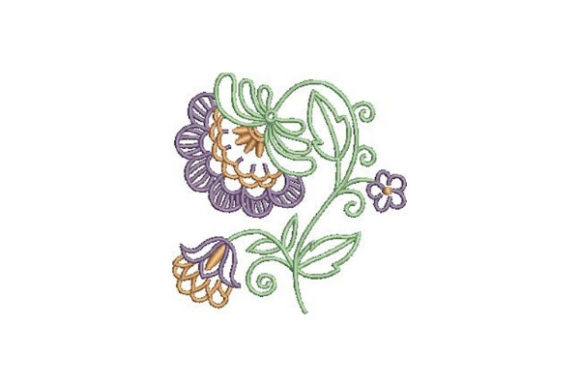
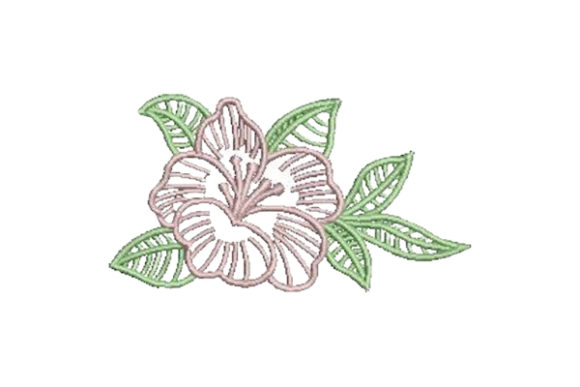
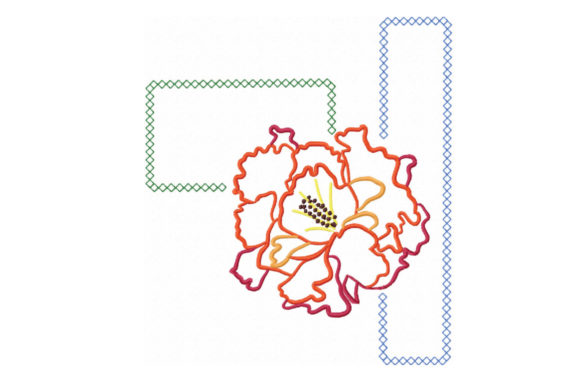
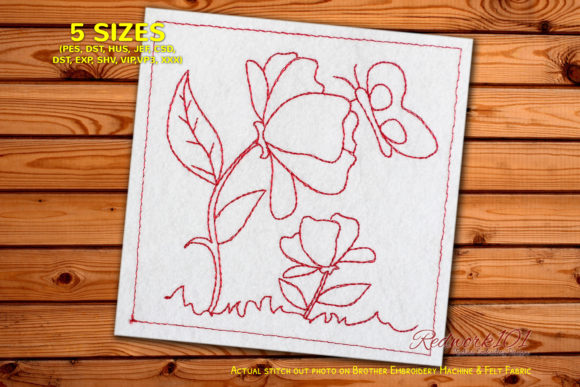
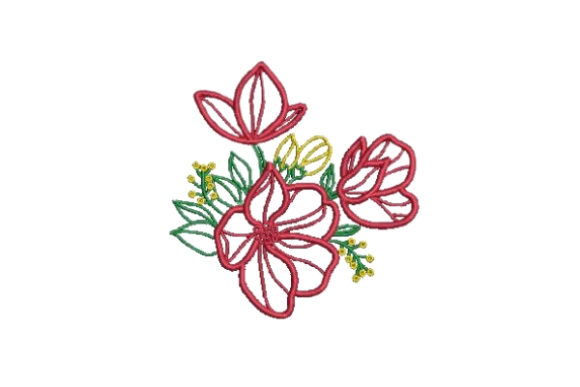
As a designer who works frequently with embroidery for both personal and commercial projects, the Flower Embellishment Design Outline caught my eye immediately. It’s not overly complex, yet it carries enough visual interest to stand out on a variety of items. The outline style gives it a clean, modern feel—perfect for minimalist embroidery lovers or those looking to subtly elevate a product without overwhelming the fabric.
The design feels like a soft whisper rather than a bold statement. It’s floral, yes, but in a way that doesn’t scream “spring collection.” It’s tasteful and adaptable—something that can work year-round, whether stitched onto a baby onesie, a boutique tote, or a holiday ornament.
Real-World Use: From Tote Bags to Baby Clothes
I recently tested the Flower Embellishment Design Outline on a custom tote bag for a client who wanted a “handmade but not too crafty” look. I was surprised at how well it held up on a medium-weight cotton canvas. The lines were crisp, and the open outline style allowed the fabric texture to show through, giving the finished product a slightly vintage, hand-drawn vibe.
When I used it on a baby onesie, the design added just enough charm without looking too busy. It’s a great size for small garments, and the stitch path felt smooth and efficient—no unnecessary density that could cause puckering on thinner fabrics.
I also tried it on a sweatshirt for a boutique client who sells cozy handmade gifts. The result was subtle and elegant. The outline design didn’t compete with the soft texture of the fleece, and it gave the garment a custom, artisanal feel that Etsy shoppers love.
Where to Be Cautious: Fabric, Size, and Surface Considerations
While the Flower Embellishment Design Outline performs well in many situations, there are a few use cases where extra care is needed. On stretchy knit fabrics, the outline can lose definition if the stabilizer isn’t applied correctly. I noticed slight distortion on a T-shirt mockup until I switched to a lightweight cutaway stabilizer and adjusted the tension slightly.
Small hoop sizes can also be a challenge. If you’re working with a 4x4 hoop or smaller, placement becomes critical. The flower has a slight curve to it, so centering it properly on small items like baby caps or embroidered patches takes precision. Otherwise, the design can look cut off or unbalanced.
Dark fabrics can mute the effect of the outline, especially if you’re using a single thread color. I recommend testing the design in both light and dark thread combinations before stitching on a final product. A light-colored thread on a navy background, for example, gave it a clean, modern look—while a darker thread on black fabric made it nearly disappear.
Visual Appeal and Marketability
From a product design standpoint, the Flower Embellishment Design Outline has strong visual appeal. Its simplicity makes it easy to incorporate into a variety of product lines—from personalized gifts to boutique apparel. It reads as “handmade but professional,” which is key for small business owners trying to build trust with buyers.
On Etsy listings and craft fair tables, this kind of design helps establish a cohesive brand aesthetic. It’s versatile enough to be used across multiple items, reinforcing brand recognition without feeling repetitive. I’ve used it on tea towels, pillow covers, and even as a small accent on gift tags, and each time it elevated the perceived value of the item.
For digital product sellers, especially those offering embroidery files or printable mockups, this design works well as a sample piece. Its clean lines make it easy to showcase in digital previews, and because it’s an outline, it gives buyers a clear idea of how it will stitch out without requiring complex color changes or dense stitching.
Designer Notes: Practical Tips for Real Use
Before using the Flower Embellishment Design Outline in a client project or for resale, here are a few practical tips I’ve picked up from testing it across different applications:
- Test on scrap fabric first—especially if you’re using a textured or stretchy material.
- Check thread color contrast on both light and dark backgrounds to ensure visibility.
- Review stitch density—this is an outline design, so it shouldn’t be too heavy, but always double-check.
- Confirm hoop size compatibility before stitching on small or curved surfaces like caps.
- Inspect small details closely—some of the inner curves may require minor adjustments for clarity.
- Test in black and white mockups to see how it reads in minimalistic settings.
- Use proper stabilizer based on fabric type—especially important for knits and loosely woven cottons.
- Verify licensing if you plan to sell finished items or include it in digital product bundles.
One thing I always do is stitch this design on a white and a black swatch to compare how it reads in different lighting and on different backgrounds. It’s a quick test that helps avoid surprises later on.
Final Thoughts: A Thoughtful Addition to Any Embroidery Kit
The Flower Embellishment Design Outline isn’t flashy, and that’s exactly why it works so well. It’s a quiet, versatile design that complements a wide range of products and styles. Whether you’re an Etsy seller building a cohesive product line, a craft business owner creating personalized gifts, or a designer working on a custom apparel project, this design has the flexibility to fit your needs.
It’s not a one-size-fits-all miracle design, but it’s a reliable, tasteful option that stitches cleanly and looks great in both personal and commercial contexts. Just remember to test it thoroughly before committing to a final piece, and you’ll be rewarded with a polished, professional result every time.